
Disconnected systems made collaboration harder
Siloed systems resulted in fragmented data, making it difficult for teams to share information and collaborate efficiently across departments.
Case Studies
Franklin Hospital, a private healthcare provider in Pukekohe, New Zealand, relied heavily on paper-based records and disconnected systems. Franklin implemented Amalga to connect data, reduce administrative work and improve access to information across patient care and hospital operations.
Before Amalga, Franklin Hospital relied heavily on paper-based records and disconnected systems. This affected how staff accessed patient information, completed administrative work, managed billing and reported on hospital performance.
Siloed systems resulted in fragmented data, making it difficult for teams to share information and collaborate efficiently across departments.
Paper records can only be in one place at a time, making it difficult for multiple clinicians to access patient information simultaneously. Searching for paper records is time-consuming and frustrating, and can introduce risk to patient safety.
Paper-based processes also made it harder to maintain audit trails, meet regulatory requirements and protect sensitive patient information.
Inefficient billing processes and missed charge capture resulted in revenue leakage that was difficult to quantify or address.
Without comprehensive data, Franklin Hospital had limited visibility of performance and trends, making it more difficult to make informed decisions about resource allocation and strategy.
Manual and disjointed processes created inefficiencies that affected staff productivity and patient flow throughout the hospital.
Franklin Hospital chose Amalga based on four criteria:

Franklin Hospital implemented Amalga in phases.
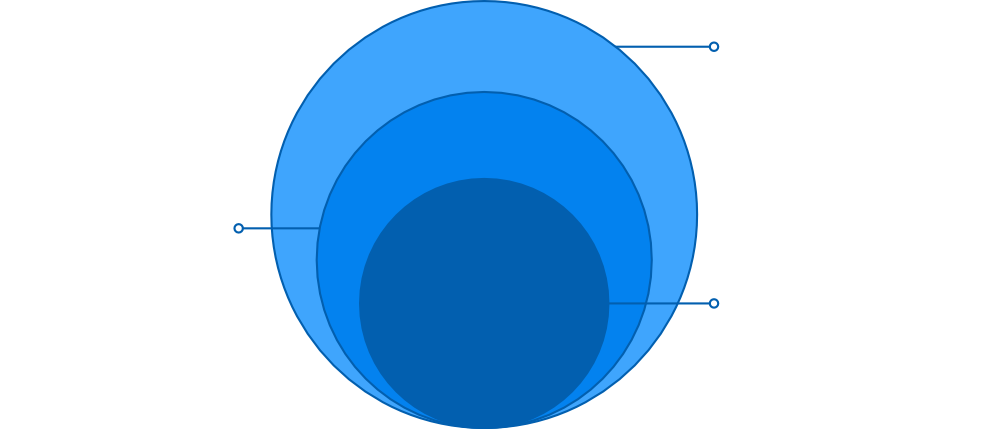
Amalga supports key workflows from pre-admission through treatment, discharge and billing, allowing information to move with the patient rather than remaining isolated in individual records or departmental systems.
| Stage | What Amalga enables |
|---|---|
Pre-admission & scheduling | Workflow-driven processes that reduce administrative burden and improve the collaboration between admin and clinical teams. |
Admission & clinical documentation | Integrated patient registration, real-time access to clinical history, and comprehensive digital documentation. Information is entered once and used in many places, reducing duplication, saving time, and lowering the risk of error. |
Treatment & care coordination | Centralised care plans, a view of community-dispensed medicines, and interdisciplinary communication to support coordinated care. |
Discharge & billing | Discharge summaries, accurate charge capture, and streamlined claims processing to protect revenue integrity. |
Amalga has changed how we manage patient care, creating efficiencies at every step of the journey. The impact on our staff’s daily work and our patients’ experience has been significant.
Franklin Hospital reports a 25% reduction in administrative processing time and a 15% increase in charge capture accuracy since implementing Amalga.
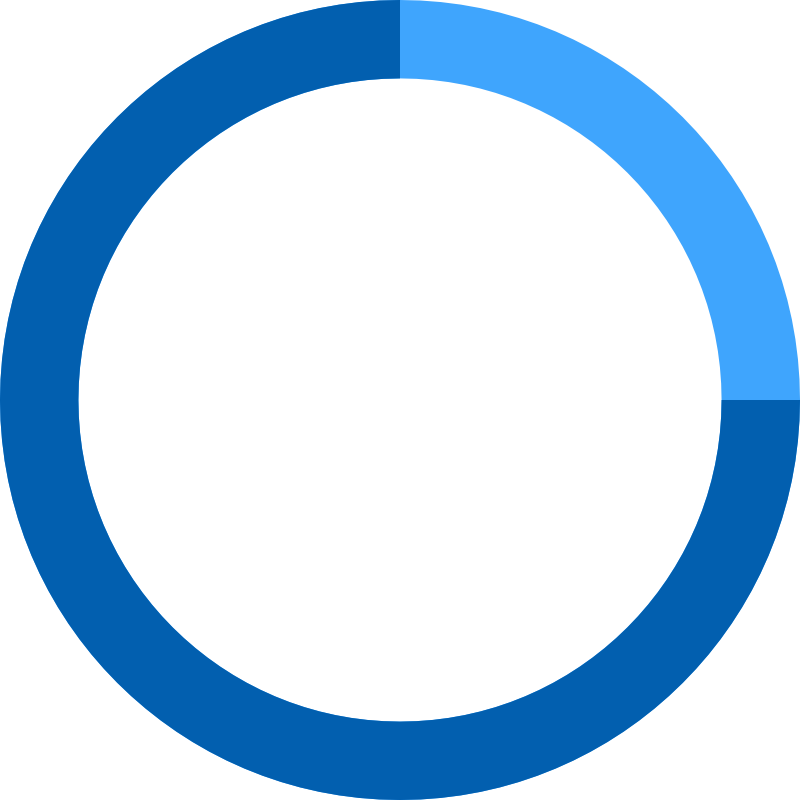
Reduction in administrative processing time, contributing to faster patient throughput and better resource allocation.
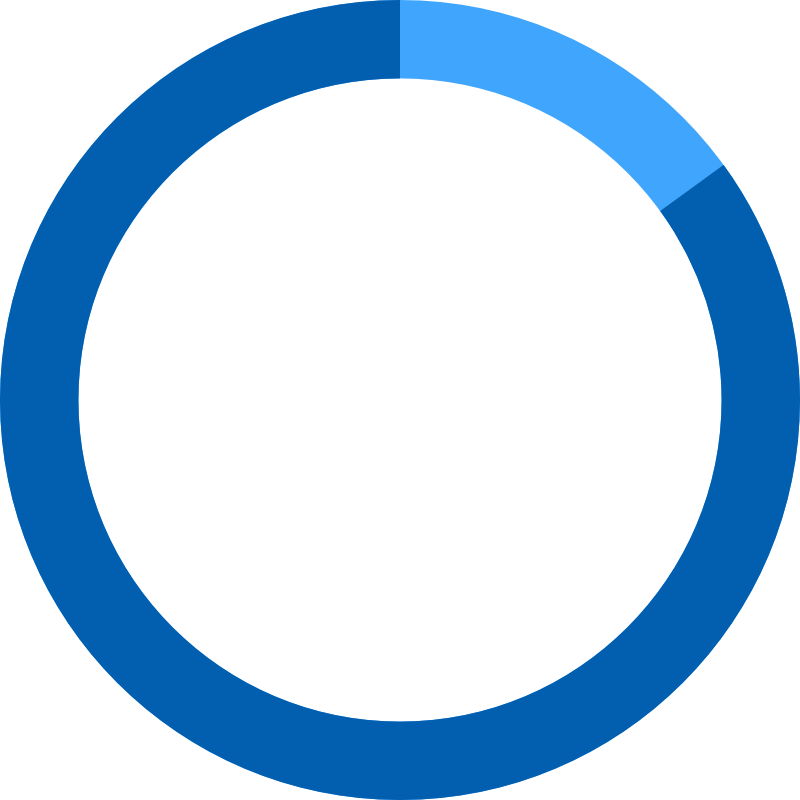
Increase in charge capture accuracy and a notable reduction in billing errors.
Improved access to patient data and more intuitive workflows have helped release time to care, allowing staff to spend more time on direct patient care. Staff have reported higher satisfaction as a result.
Clinicians report that the Clinical Workspace and PAS together provide faster access to the information they need, supporting more informed and timely decision-making.
The ability to access real-time data and streamline our processes has directly supported better patient care and a more engaged team.
Franklin Hospital has identified several areas of focus for 2026.
See how Amalga connects patient administration, clinical and operational workflows.